Now Available At Swanson Hyperbarics
Breakthrough Brain Injury Concussion
Evaluation and Treatment
qEEG Brain Mapping
Introducing qEEG: The Brain’s
Electrical Blueprint
What is qEEG?
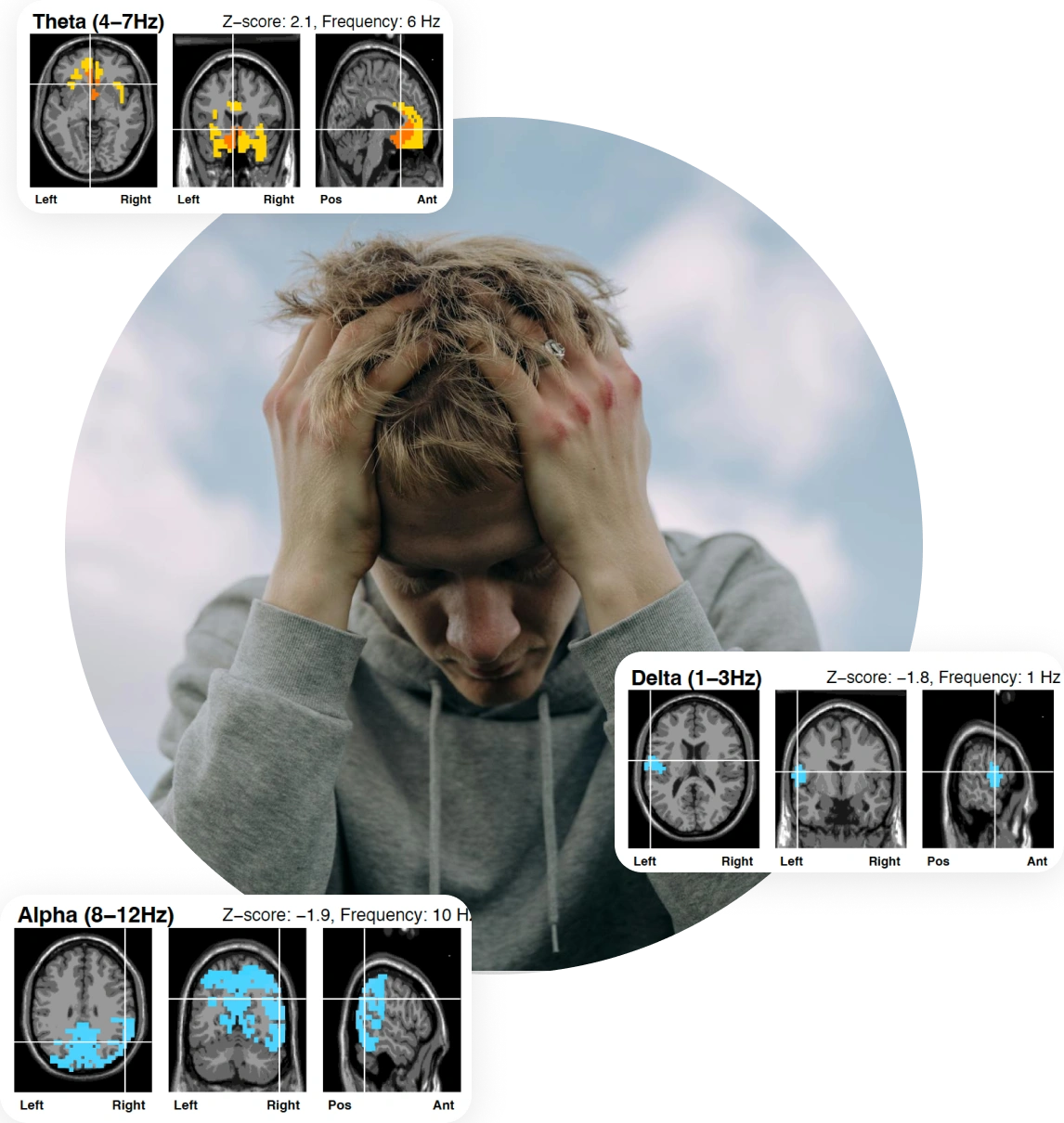
Quantitative Electroencephalography (qEEG) is a 20-minute, non-invasive scan that maps your brain’s electrical activity in real-time. It helps pinpoint areas that may have been affected by injury, inflammation, or dysfunction.
Why it Matters?
qEEG reveals changes that may be related to:
- Concussions and head trauma
- ADHD, anxiety, depression
- Memory loss and brain fog
- PTSD and cognitive decline
Visit qeeg.pro to learn more about this powerful tool.
The Science Behind qEEG Brain Mapping
How qEEG Works
qEEG, or Quantitative Electroencephalography, is a safe, painless, and highly advanced method for evaluating brain function. It works by detecting and analyzing the electrical patterns — known as brainwaves — that your brain naturally produces.
How It Works:
- You simply relax while a cap with sensors gathers brainwave data.
- No responses or effort required — just sit back.
- The qEEG reads your brain’s “energy signature” to detect issues often missed in traditional imaging.
Sensor Cap Placement:
A trained technician will place a soft cap fitted with multiple small sensors on your head. These sensors are completely non-invasive.
20 Minutes of Stillness:
You’ll be asked to sit comfortably and relax. You don’t have to speak, move, or solve any tasks.
Real-Time Brain Activity Recording:
These sensors detect minute fluctuations in voltage produced by the brain, capturing a snapshot of how different brain regions are functioning and communicating.
Data Analysis with Normative Comparison:
Your brainwave data is then processed through advanced software and compared to a normative database.
RightEye
Introducing RightEye: Vision-Based Neurological Screening
What is RightEye?
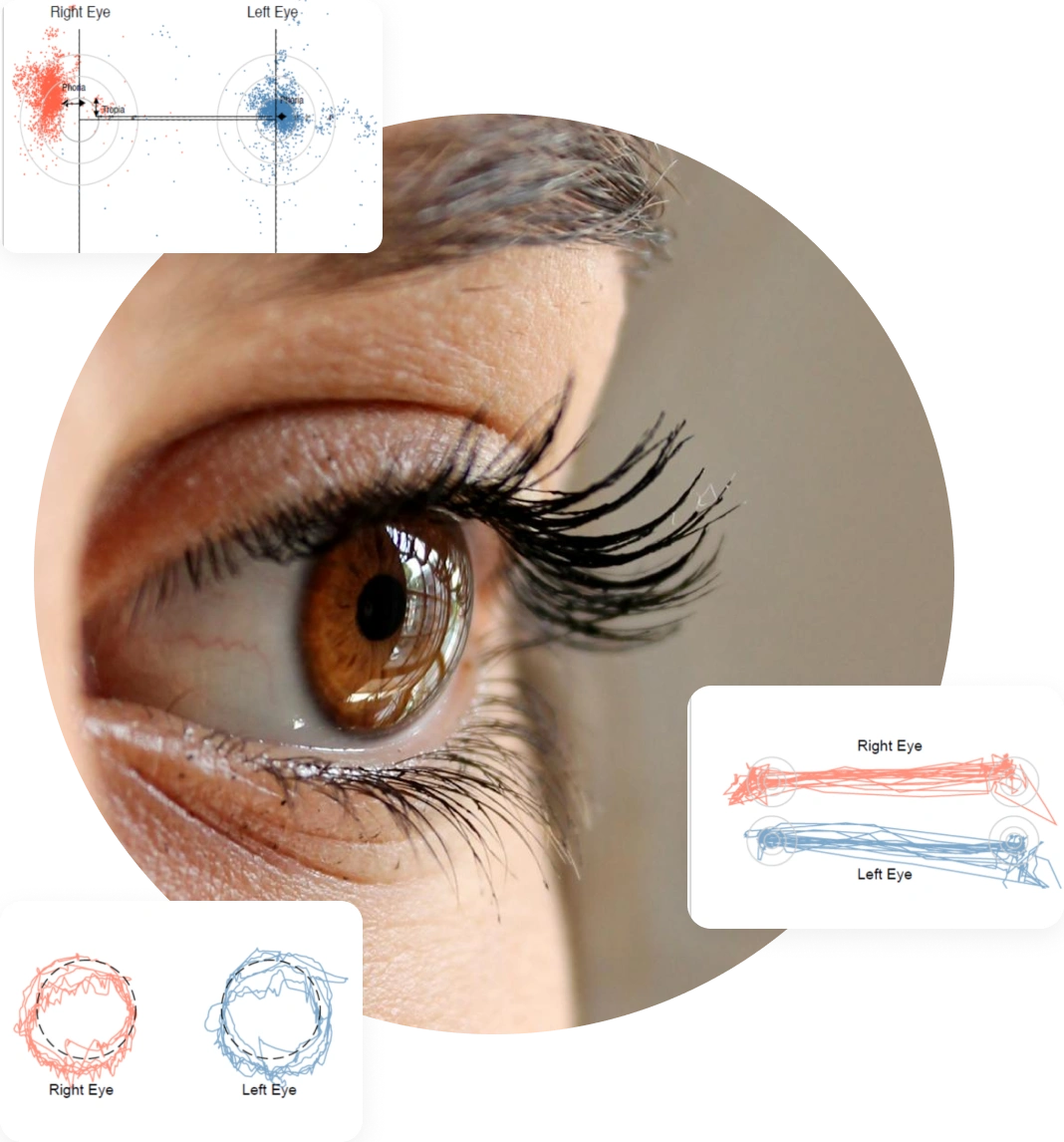
RightEye is a 12-minute, interactive assessment that evaluates how your eyes track and react to visual stimuli — revealing important clues about brain function.
How it Works?
- You follow prompts on a screen as RightEye captures and analyzes eye movement.
- It detects subtle impairments in visual tracking, reaction time, and coordination.
What It Helps Identify:
- Concussions and traumatic brain injuries
- Visual processing disorders
- Dizziness, balance, and performance issues
- Reading challenges
Visit righteye.com for in-depth details.
Benefits of
Our Brain
Injury Evaluation Services
Objective, Data-Driven
Insights
Fast, Painless,
Non-invasive
Reveal What Traditional
Tests Can’t
Track Progress
Validate Treatment
Supports a Wide
Range of Conditions
Screen for a Wide Range
of Conditions
Ready to Take the Next Step in
Brain Injury Recovery?
Schedule a consultation today!
Conditions Challenges
These Services Can Help With:
- Brain Injuries & Concussions
- Detection of post-concussion syndrome even when traditional scans appear normal
- Measurement of lingering cognitive effects from traumatic brain injuries (TBI)
- Identification of disrupted brainwave patterns and visual tracking impairments
- Evaluation of balance, coordination, and eye-brain connection after injury
- Performance & Vision-Based Issues
- Difficulty reading, comprehension problems, and tracking text
- Dizziness, vertigo, and coordination issues
- Reaction time delays or reduced visual focus
- Eye strain, fatigue, or motion sensitivity (common post-concussion)
- Functional Neurological Disorders
- Cognitive & Mental Health Symptoms
- Brain fog, memory lapses, and slowed thinking
- Chronic headaches or migraines with neurological causes
- Mood disorders including anxiety, depression, and irritability
- Attention deficits (ADHD), impulsivity, and learning struggles
- Sleep disturbances linked to brain function imbalances
- Functional Neurological Disorders
- PTSD or trauma-related neurological dysfunction
- Stroke recovery and neuroplasticity monitoring
- Sensory processing challenges in children and adults
- Early detection of cognitive decline or neurodegeneration
Contact us and get started with a consultation!
Frequently
Asked Questions
RightEye is a 12-minute, interactive assessment that evaluates how your eyes track and react to visual stimuli — revealing important clues about brain function.
qEEG is a 20-minute, non-invasive scan that offers an in-depth look at your brain’s activity in real time.
Yes — both qEEG and RightEye are completely non-invasive, painless, and safe. qEEG uses external sensors to record brainwaves (no electricity enters your body), and RightEye simply tracks your eye movements as you follow visual prompts. No radiation, no injections, and no side effects.
These assessments are ideal for anyone experiencing symptoms after a concussion or brain injury — such as headaches, memory problems, vision issues, mood swings, or brain fog. They’re also helpful for those dealing with ADHD, anxiety, PTSD, or unexplained cognitive or visual challenges.